Step 01
Read the public pages
One retrieval, on 2026-09-28
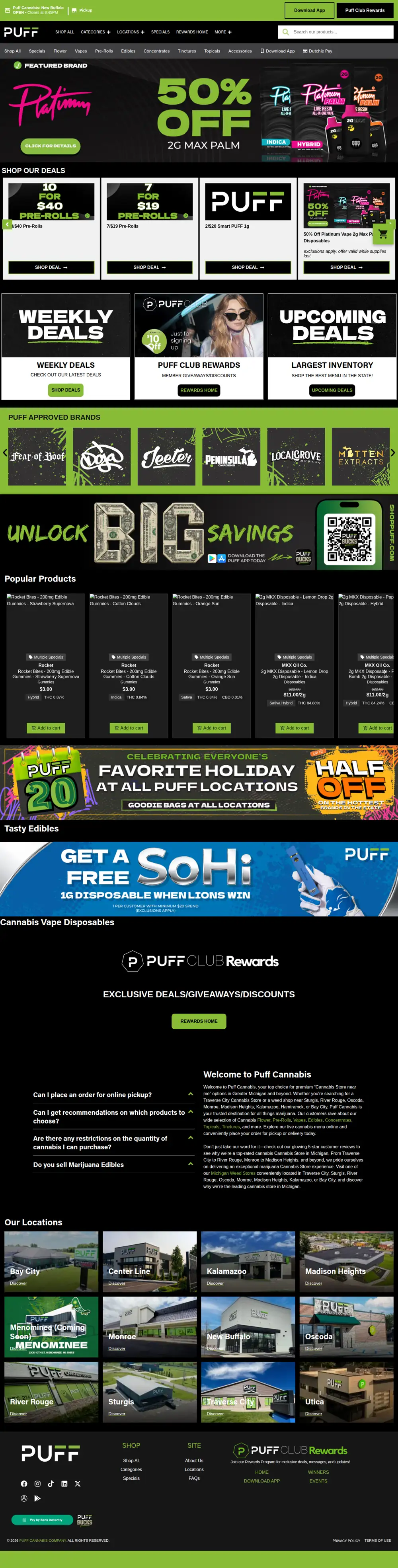
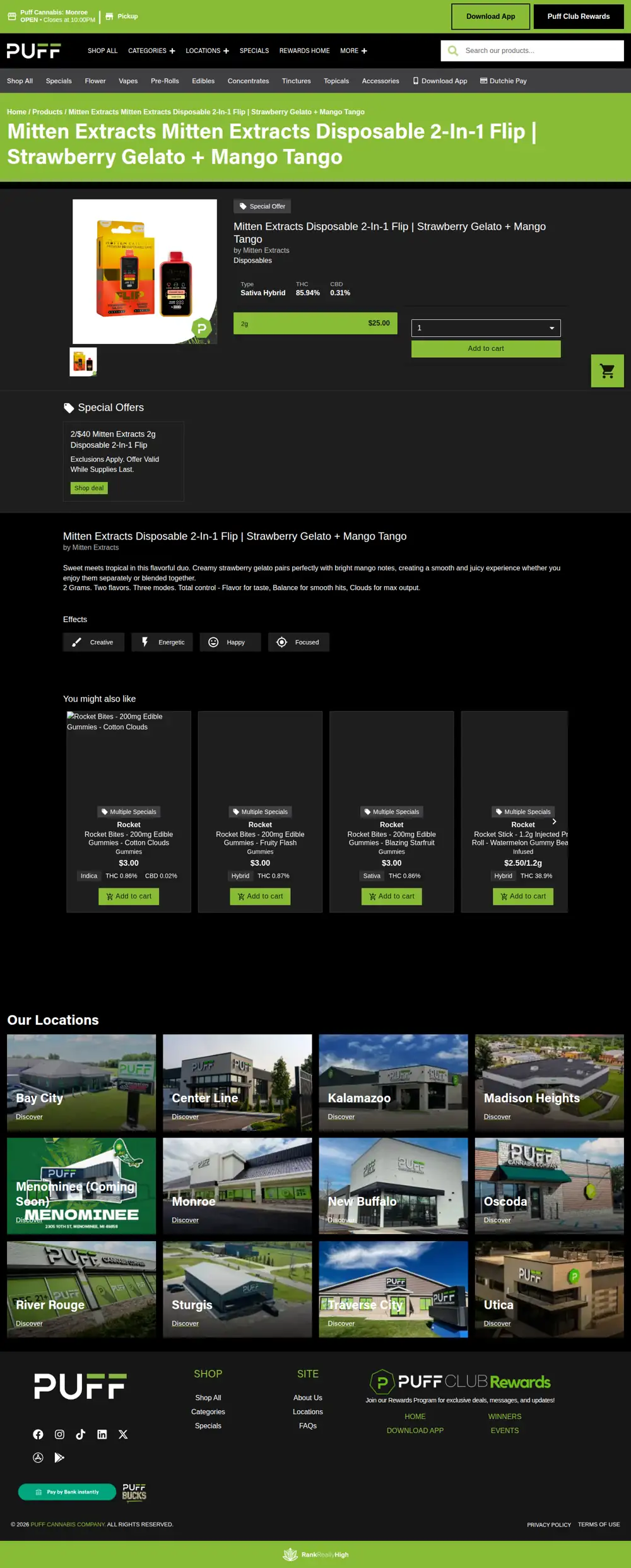
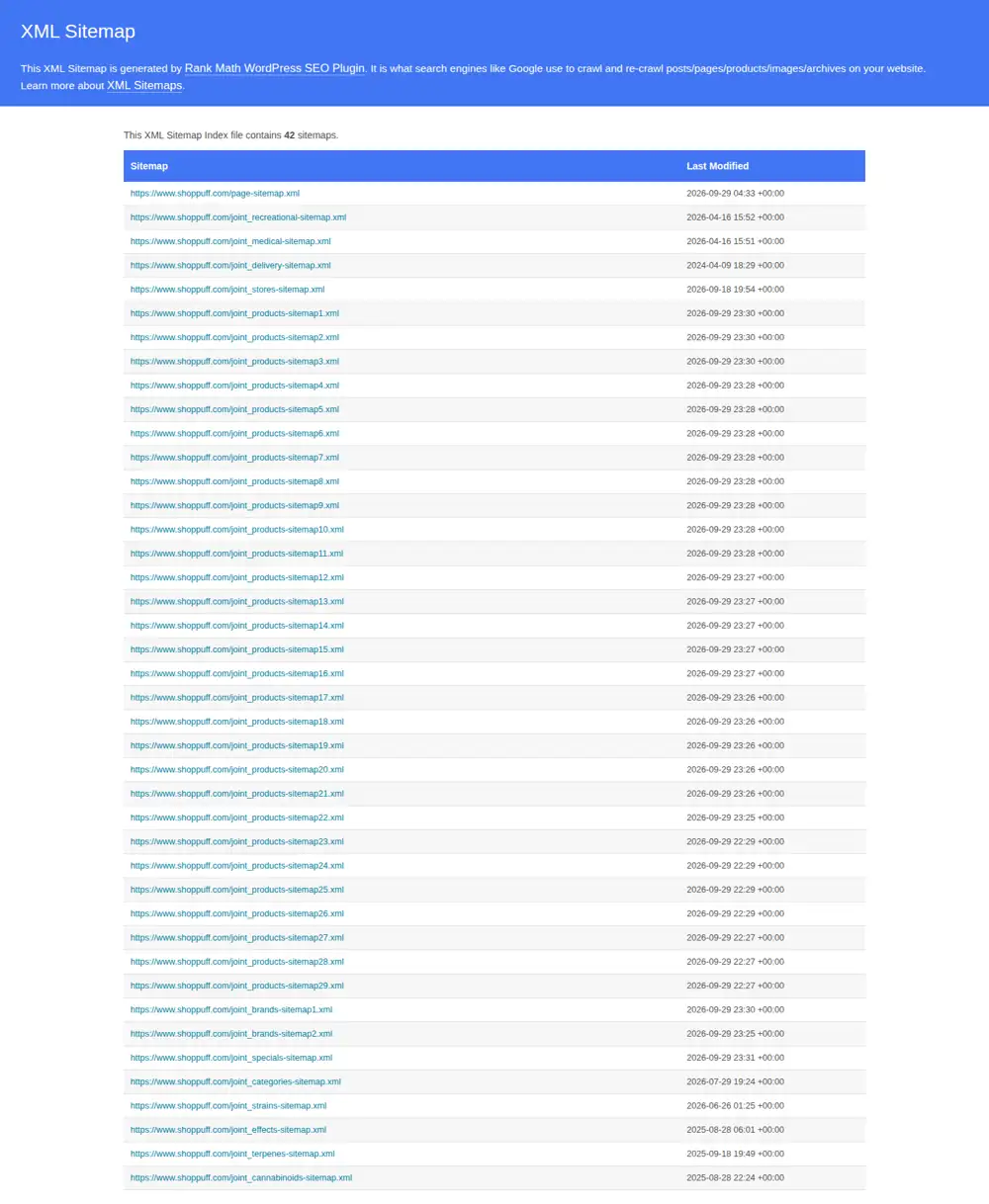
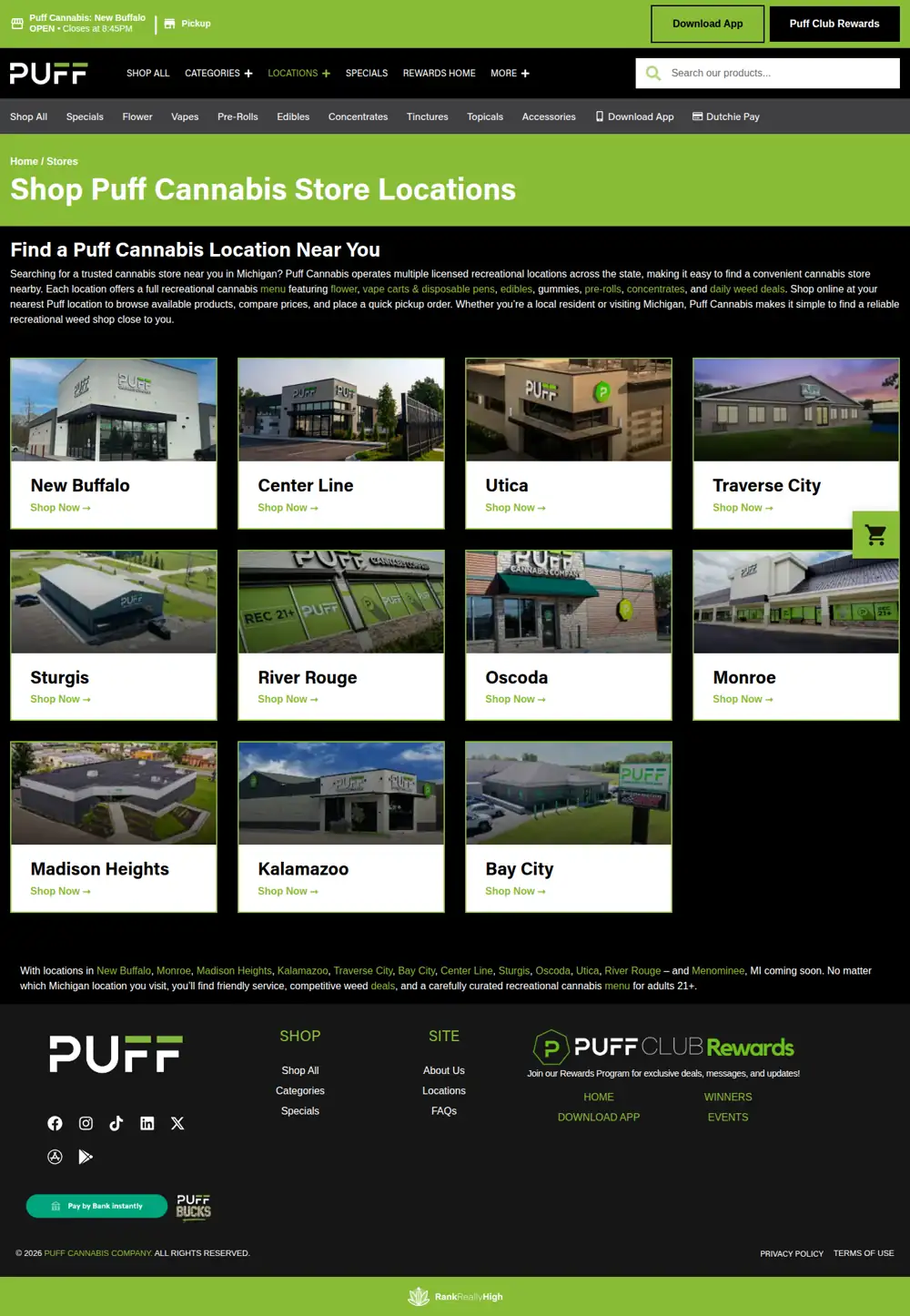
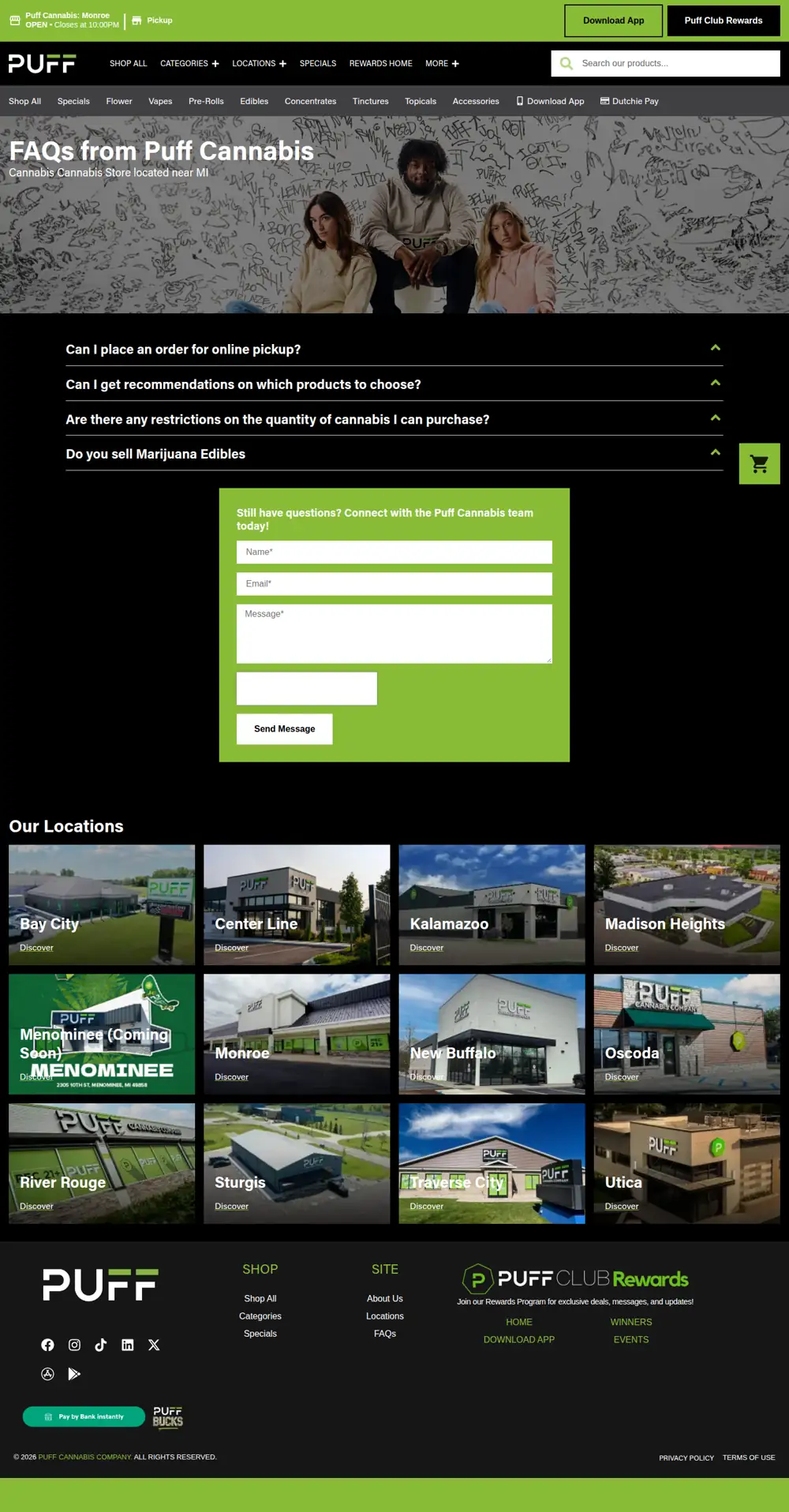
I read only what any customer can see: the home page, the specials index, each deal page, the store locator, the sitemaps and the public FAQ. No login, no form, no order, no admin. Every page I relied on is one of the 17 entries in the source register below.
Step 02
Write down every deal as published
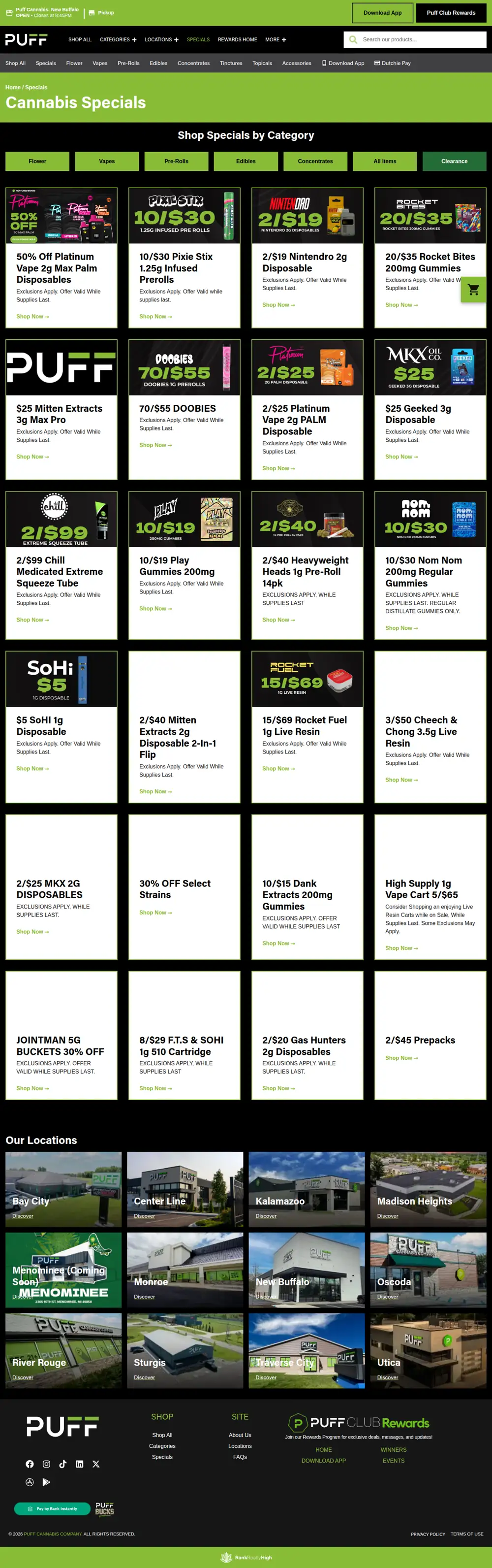
30 deal cards → 28 unique offers
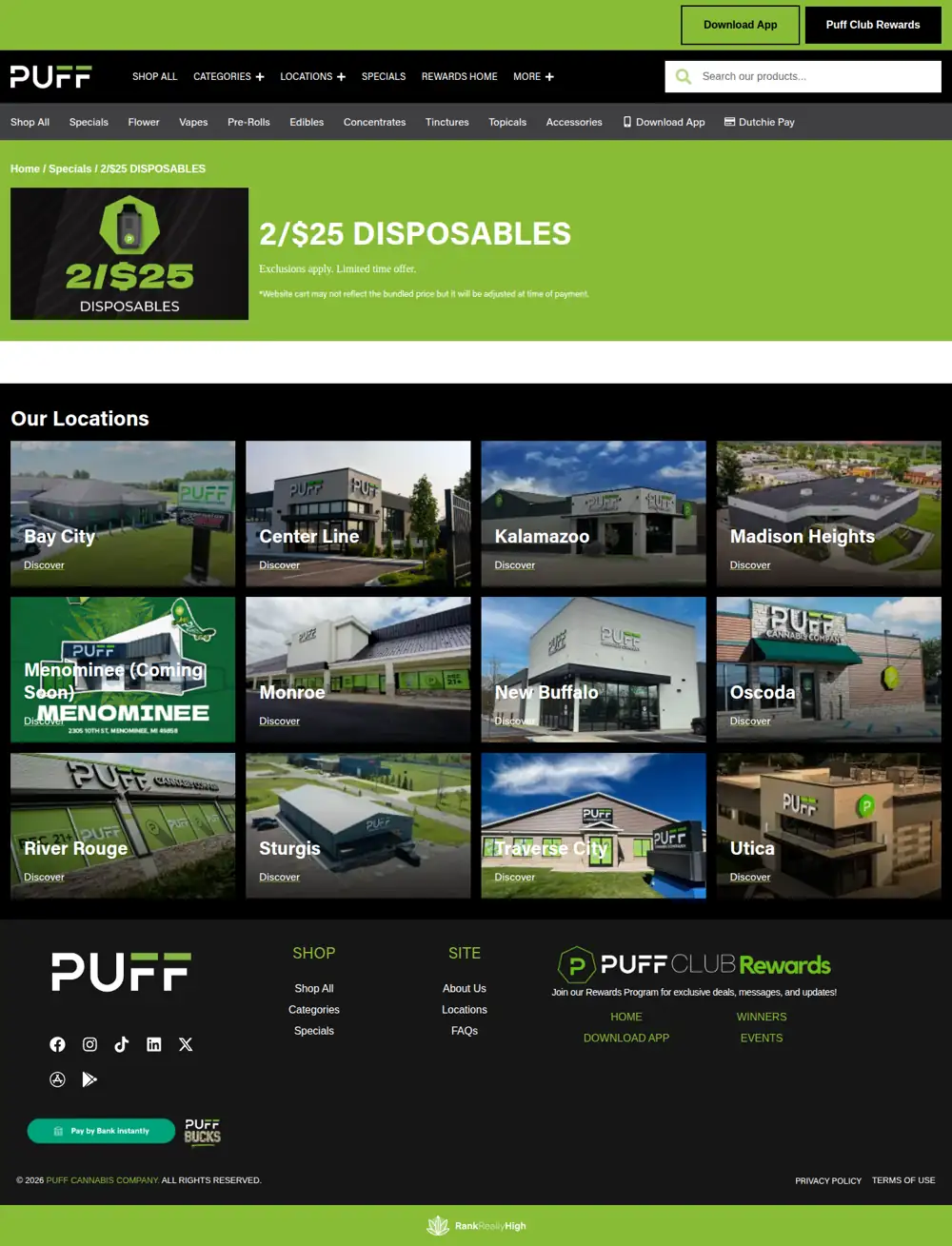
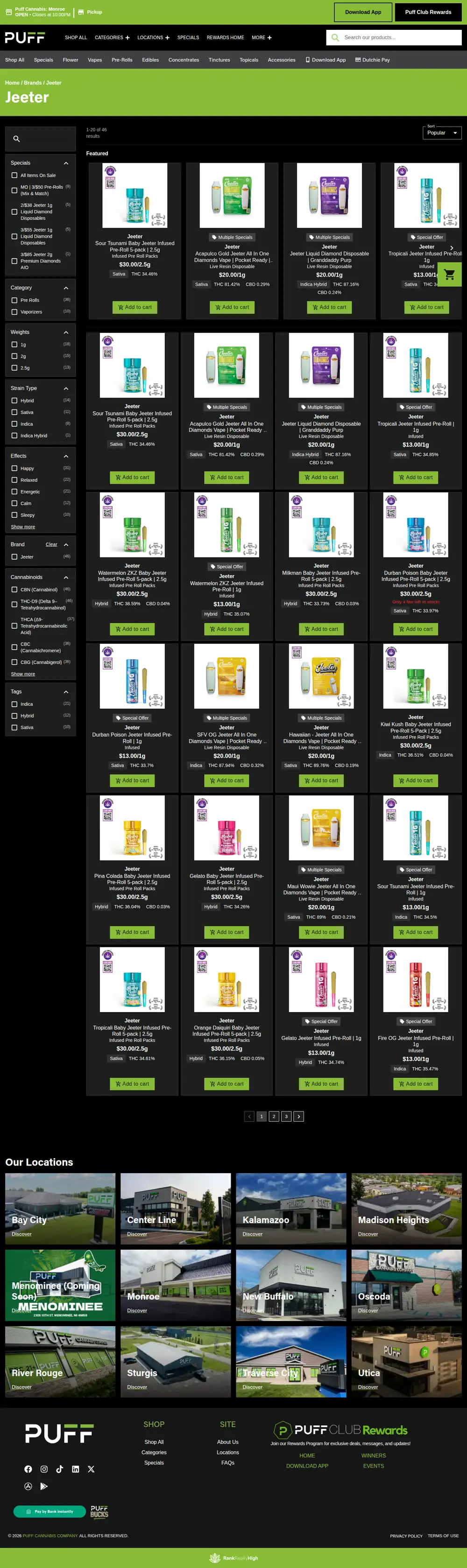
Each card was copied as it appears — headline, price, terms, disclaimer, link — before any judgement. Offers shown on both the home page and the specials index were merged, so each one is counted once.
Step 03
Run the same checks on every offer
28 offers × 14 checks
Does it say which products, which store, until when, and on what terms? Does the link land on something you can buy? Every offer gets the same fourteen checks and one verdict. 2 of them block a customer from knowing what they will pay.
Step 04
Label every claim
Five labels, from observed to unknown
Anything I saw is marked as observed. Anything the company says about itself is marked as its own wording. Anything I could not see is either modelled — and says so wherever it appears — or written down as needing internal data. Nothing is filled in to look complete.
Step 05
Turn findings into work
7 confirmed observations, proposals kept separate
Each confirmed finding becomes a ticket a web team can pick up: the evidence, the current and desired state, acceptance criteria and how to verify it. Ideas that are mine rather than observed are labelled as proposals and never mixed in.
Step 06
Define how it would be measured
5 metrics, each with its missing source
Every metric has a formula, a denominator, a time window and the internal source it would need. Where that source is not available from outside, the page says so instead of showing a number.